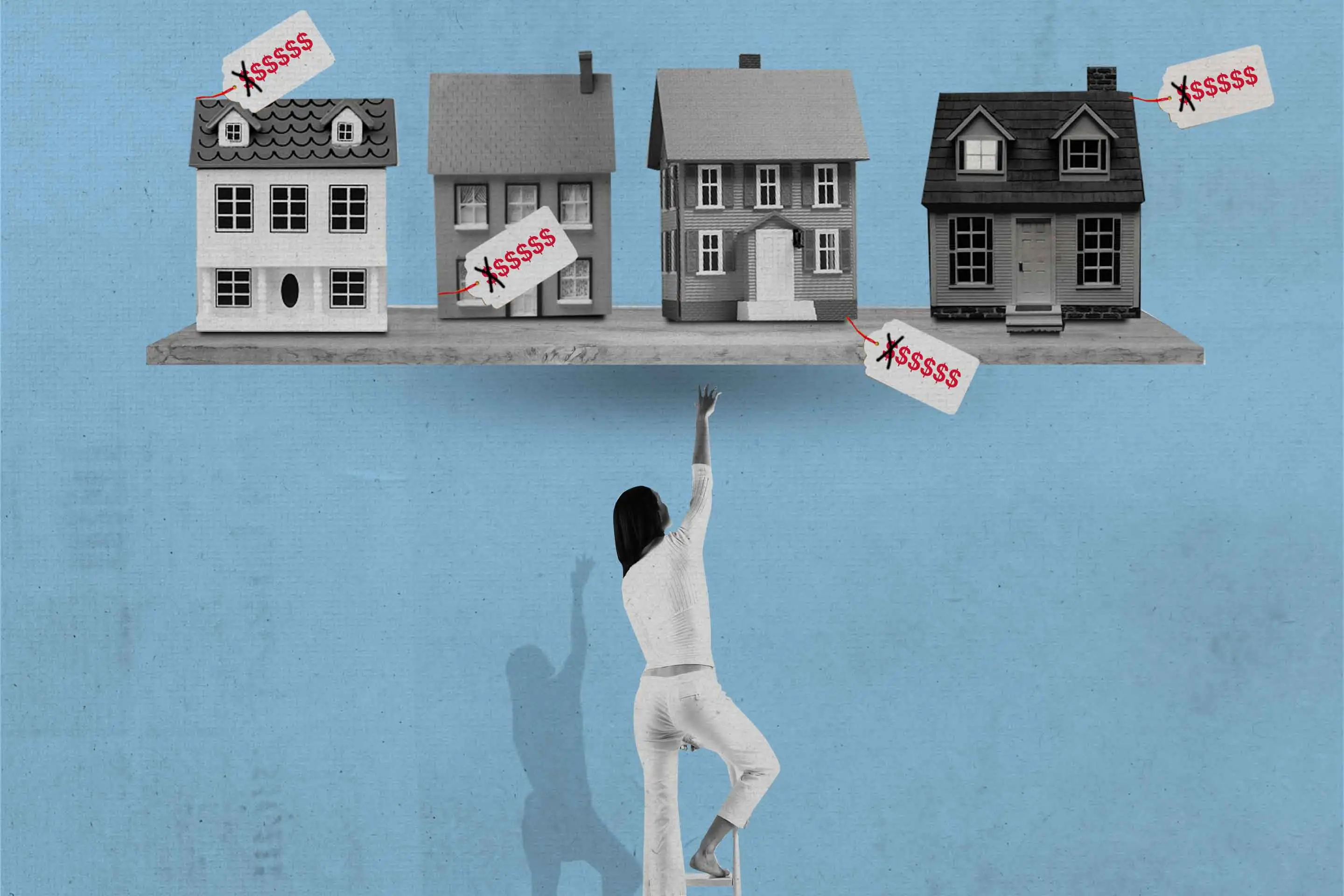
Canada's housing affordability problem is now old enough to have its own literature. A generation of policy reports, task forces, royal commissions, and budget commitments have analyzed it, and yet the fundamental reality in 2026 remains stubbornly unchanged: in most of Canada's major urban centres, the ratio of home prices to household incomes is among the worst in the developed world.
According to the Oxford Economics Global Housing Affordability Index (2025), Toronto and Vancouver rank among the five least affordable housing markets globally, measured by price-to-income ratios. Montreal, long considered a relatively affordable alternative, has seen its affordability deteriorate significantly over the past four years as interprovincial migration accelerated.
The Supply Math
The Canada Mortgage and Housing Corporation estimates that Canada needs to build 3.5 million additional housing units by 2030 to restore affordability to 2003–2004 levels. Current construction is running at approximately 240,000 starts per year. Even with the ambitious targets set by federal and several provincial governments, independent economists have noted that the gap is structural — the result of decades of under-building compounded by rapid population growth.
The obstacles to faster construction are well-documented: restrictive municipal zoning, lengthy approval timelines, skilled trades shortages, and financing costs for developers. Zoning reform has progressed in some municipalities — several Ontario cities have implemented as-of-right permissions for increased density — but the effects on supply will take years to materialize at scale.
Interest Rates: Relief With Limits
The Bank of Canada's rate-cutting cycle that began in mid-2024 has provided some relief to variable-rate mortgage holders and reduced qualifying stress-test thresholds. However, economists at the C.D. Howe Institute and elsewhere have cautioned that rate reductions, by increasing purchasing power and stimulating demand, can also put upward pressure on prices in supply-constrained markets — partially offsetting their affordability benefits.
The mortgage renewal challenge remains acute. A large cohort of Canadian homeowners who locked in five-year mortgages at near-zero rates in 2020–2021 are renewing through 2026 at rates that, while lower than the 2023 peak, remain materially higher. The average monthly payment increase on renewal has been estimated at $400–$600 by financial institutions.
What Could Actually Change
Policy researchers generally agree that no single measure will resolve Canada's housing crisis — it requires simultaneous action on supply, demand, financing, and land use. Among the most frequently cited levers: accelerated zoning reform at the municipal level backed by federal funding conditionality; expansion of purpose-built rental through targeted tax treatment; increased trades immigration and apprenticeship funding; and public land development through entities like the federal housing corporation.
Whether the current political environment — federal election dynamics, intergovernmental tensions, and the distraction of the U.S. trade dispute — allows for the focused, sustained policy commitment that experts say is required remains an open question. In the meantime, a generation of Canadians continues to navigate a housing market that, by most objective measures, has failed them.